Learn what separates professional dental office cleaners from standard janitorial services and avoid costly compliance mistakes.
Share:
Summary:
Your dental office isn’t just another commercial space. It’s a healthcare facility with specific regulatory requirements that standard cleaning companies often don’t understand.
OSHA requires dental offices to follow mandatory infection prevention standards, including proper cleaning and decontamination protocols. Unlike general CDC recommendations, these aren’t suggestions – they’re enforceable regulations that can result in fines and citations if violated.
The cleaning company you choose must demonstrate knowledge of bloodborne pathogen protocols, proper handling of regulated medical waste, and understanding of cross-contamination prevention. They should be able to show you their training certifications and explain how their procedures align with OSHA’s Bloodborne Pathogens Standard.

Look for cleaning companies whose staff have completed formal training in healthcare environmental services. This isn’t something you can learn from a YouTube video or brief orientation session.
Proper OSHA training for dental office cleaners covers several critical areas. Staff must understand how to safely handle and dispose of contaminated materials, including gauze soaked in blood, extracted teeth, and used needles. They need to know the difference between regulated and non-regulated medical waste, and how each type requires different storage, handling, and disposal methods.
The cleaning team should also be trained in proper personal protective equipment use. This means knowing when to wear heavy-duty utility gloves versus examination gloves, understanding eye protection requirements, and following protocols for removing PPE to prevent contamination spread.
Your cleaning company should maintain training records and be able to provide documentation of their staff’s qualifications. They should also stay current with regulatory changes – OSHA requirements evolve, and your cleaning team needs to evolve with them.
Don’t accept vague assurances about “following all safety protocols.” Ask specific questions about their training programs, certification renewals, and how they stay updated on regulatory changes. A qualified company will welcome these questions and provide detailed answers.
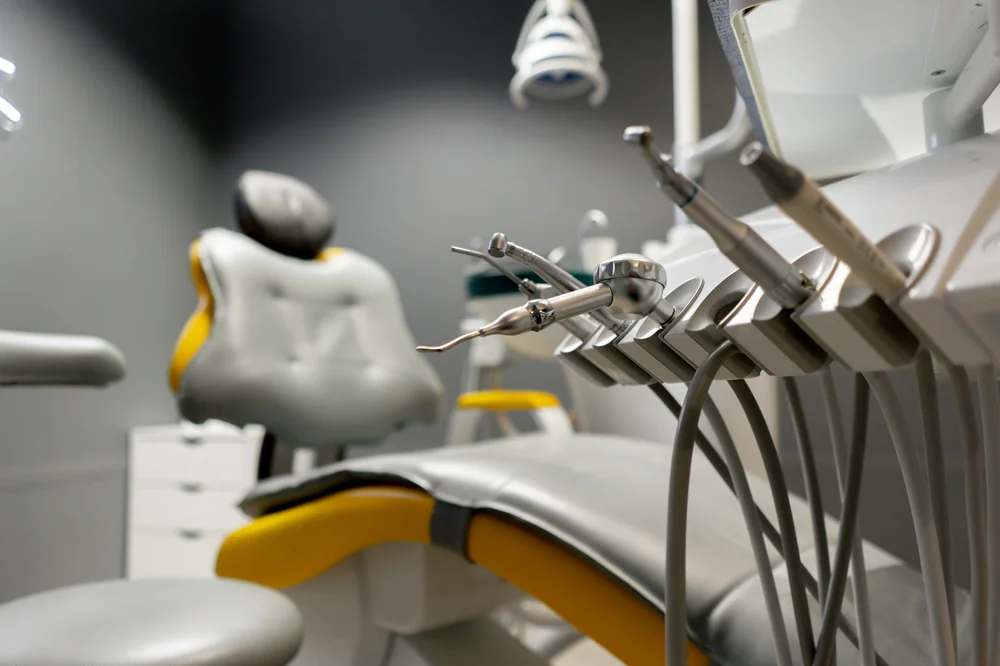
Infection control in dental settings goes far beyond standard commercial cleaning. Your cleaning company needs to understand that dental operatories can become contaminated through touch, splash, and droplets generated during patient care.
Surfaces that patients and staff touch frequently – like light handles, unit switches, and drawer knobs – can serve as reservoirs of microbial contamination. Without proper cleaning protocols, these surfaces become sources of cross-contamination that expose your patients and staff to disease.
Look for cleaning companies that use EPA-registered hospital-grade disinfectants specifically designed for healthcare environments. They should understand the difference between low-level, intermediate-level, and high-level disinfection, and know which products to use in different areas of your practice.
The cleaning protocol should include specific procedures for operatory cleaning between patients, daily environmental surface disinfection, and deep cleaning schedules. Your cleaning company should be able to explain their process for preventing cross-contamination between different areas of your practice.
Ask about their equipment standards too. Professional dental office cleaners use HEPA-filtered vacuums to prevent the spread of airborne contaminants, microfiber cloths that capture bacteria more effectively than traditional cleaning materials, and color-coded systems to prevent cross-contamination between different areas.
Most importantly, they should prepare fresh cleaning and disinfecting solutions daily according to manufacturer recommendations. Using diluted or expired solutions compromises the entire cleaning process and puts your practice at risk.
Want live answers?
Connect with a One-A Cleaning and Maintenance expert for fast, friendly support.
Not all commercial cleaning experience translates to healthcare settings. Cleaning a dental office requires understanding patient flow, infection risks, and the unique challenges of medical environments.
Companies with healthcare cleaning experience understand that timing matters. They know how to work around your patient schedule without disrupting operations, and they understand the importance of having operatories ready when you need them.
They also understand the regulatory environment you operate in. Healthcare cleaning companies stay current with CDC guidelines, understand state health department requirements, and know how their work impacts your compliance with various regulatory agencies.

Dental offices share many characteristics with other medical facilities, but they also have unique requirements that general healthcare cleaners might not understand. The ideal cleaning company has specific experience with dental practices, not just general medical office cleaning.
Dental-specific experience means understanding the challenges of operatory cleaning, knowing how to properly handle dental impressions and prosthetics, and being familiar with the specialized equipment found in dental practices. They understand that dental offices generate different types of waste than general medical practices and require different cleaning approaches.
Look for companies that can provide references from other dental practices in Nassau County. Ask about their experience with different types of dental specialties – a company that only cleans general dentistry offices might not understand the additional requirements of oral surgery practices or periodontal offices.
The cleaning company should also understand the business side of dental practice. They know that patient perception matters enormously, and they understand how cleanliness impacts patient confidence and practice reputation. A clean, professional environment reassures patients about the quality of care they’re receiving.
Ask potential cleaning companies about their experience with dental office layouts, their understanding of patient flow patterns, and how they adapt their cleaning schedules to accommodate emergency appointments or extended procedures. Their answers will reveal whether they truly understand the dental practice environment.
Healthcare environments involve higher risks than typical commercial spaces, which means your cleaning company needs appropriate insurance coverage to protect your practice.
Your cleaning company should carry comprehensive general liability insurance, but that’s just the starting point. They also need professional liability coverage that specifically addresses healthcare cleaning services, workers’ compensation insurance for their employees, and bonding to protect against theft or property damage.
Don’t just take their word for insurance coverage – ask to see current certificates of insurance and verify coverage amounts. The insurance should be sufficient to cover potential damages in a healthcare setting, which can be significantly higher than in other commercial environments.
Consider what happens if a cleaning employee is injured in your practice, or if improper cleaning leads to an infection control violation. Without proper insurance coverage, your practice could face significant financial exposure. The cleaning company’s insurance should protect both their business and yours.
Ask about their claims history too. A company with frequent insurance claims might indicate poor training, inadequate safety protocols, or other issues that could impact your practice. Reputable cleaning companies maintain good safety records and can provide information about their insurance history.
The bonding component protects you against theft or property damage by cleaning staff. While most cleaning employees are honest and trustworthy, bonding provides an additional layer of protection for your practice’s valuable equipment and patient information.
The right cleaning company becomes a true partner in maintaining your practice’s reputation and ensuring patient safety. They understand that your success depends on maintaining the highest standards of cleanliness and infection control.
Look for companies that offer detailed contracts specifying exactly what services they’ll provide, when they’ll provide them, and how they’ll handle any issues that arise. The best cleaning partnerships are built on clear communication, consistent performance, and shared commitment to excellence.
Remember that the cheapest option rarely provides the best value in healthcare cleaning. Focus on finding a company that demonstrates expertise, maintains proper certifications, and can provide references from other satisfied dental practices in Nassau County. When you find the right partner, you’ll have peace of mind knowing your practice maintains the professional standards your patients expect and deserve.
For dental practices in Nassau County, NY looking for experienced, reliable cleaning services, we at One A Cleaning and Maintenance offer specialized healthcare facility cleaning with the expertise and certifications necessary to keep your practice compliant and your patients safe.
Article details:
Share:
Continue learning: