Your Nassau County home deserves cleaning solutions that work without compromising your family's health or the planet. Discover the eco-friendly house cleaning hacks shaping 2026.
Share:
Summary:
The conversation around green cleaning products has shifted. It’s no longer just for the ultra-conscious or the environmentally devoted. Mainstream families in Nassau County are making the switch because the health implications have become impossible to ignore.
Traditional cleaning products contain chemicals that sound like they belong in a lab, not your living room. Ammonia. Chlorine. Phthalates. These aren’t just hard to pronounce—they’re linked to respiratory problems, skin reactions, and allergy flare-ups. And here’s what most people don’t realize: these chemicals don’t just disappear after you wipe them away. They linger in your indoor air, sometimes for days.
Indoor air quality has become a major health focus, and for good reason. The air inside your Nassau County home can actually be more polluted than the air outside. Every time you spray that conventional cleaner, you’re releasing volatile organic compounds into the space where your family lives, eats, and sleeps. Non-toxic cleaning products change that equation entirely.
Walk down any cleaning aisle and you’ll see “natural,” “green,” and “eco-friendly” stamped on half the bottles. Marketing teams know what sells. But here’s the reality: those terms don’t always mean what you think they do.
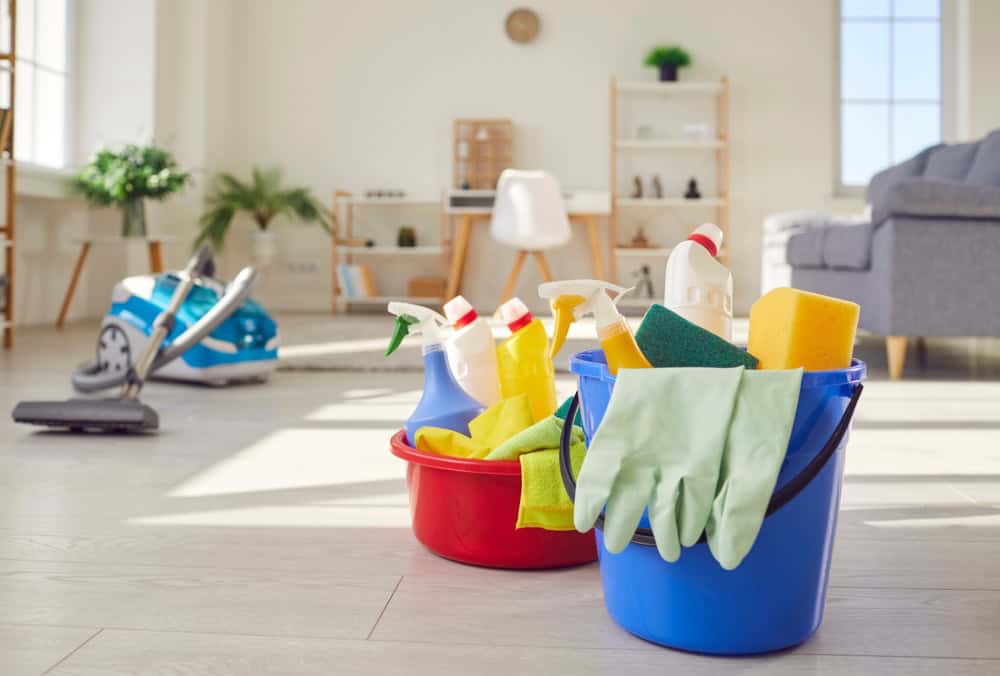
A truly eco-friendly cleaning product does three things. First, it uses plant-based or naturally derived ingredients that break down in the environment instead of accumulating in waterways. Second, it doesn’t release harmful VOCs into your home’s air. Third, it comes in packaging that minimizes waste—think concentrated formulas, refillable containers, or recyclable materials.
The best way to cut through the noise? Look for legitimate certifications. EPA Safer Choice, Green Seal, and EcoLogo aren’t just badges companies slap on for fun. These certifications mean the product has been independently tested and verified to meet strict environmental and health standards. When you see these on a label, you’re looking at something that’s been held accountable beyond marketing claims.
Plant-based enzymes and natural surfactants are the workhorses of modern green cleaning products. They break down dirt, grease, and grime just as effectively as their chemical counterparts, but without the toxic residue. Biodegradable ingredients mean that what goes down your drain doesn’t end up poisoning aquatic life or contributing to long-term environmental damage.
And here’s something that surprises people: green cleaning products have caught up. The performance gap that existed years ago? It’s gone. In many cases, eco-friendly options actually outperform conventional cleaners because they’re designed with both efficacy and safety in mind. You’re not sacrificing cleaning power—you’re just choosing a smarter formula.
The sustainable home care movement in 2026 isn’t asking you to accept less. It’s offering you more: better health outcomes, safer environments for kids and pets, and cleaning results that don’t come with a side of guilt or respiratory irritation. Nassau County families are realizing they can have both—a spotless home and peace of mind about what’s in the air they breathe.
Your home is sealed up most of the year. Air conditioning in summer, heat in winter. That’s comfortable living, but it also means whatever’s in your air stays in your air. And if you’re using traditional cleaning products, you’re trapping a cocktail of chemicals inside with you.
Volatile organic compounds are the main culprits. These are chemicals that vaporize at room temperature, which means they’re constantly off-gassing into your home’s atmosphere. Even after you’ve finished cleaning and put the products away, VOCs continue releasing into the air. Some studies show that indoor air can contain VOC concentrations up to ten times higher than outdoor air, especially right after cleaning.
The health effects aren’t subtle. Headaches, dizziness, respiratory irritation, and allergy symptoms all spike when VOC levels are high. For people with asthma or other respiratory conditions, conventional cleaning products can trigger serious reactions. Kids are especially vulnerable because they breathe faster and spend more time on floors where chemical residues settle.
Non-toxic home cleaning changes the air quality equation immediately. When you switch to plant-based cleaners that don’t contain harsh chemicals or synthetic fragrances, you stop introducing new pollutants into your indoor environment. Your HVAC system isn’t constantly recirculating chemical vapors. The air starts to clear.
Microfiber cloths and HEPA filter vacuums play a supporting role here. Microfiber technology actually traps dust and allergens instead of just pushing them around, which means fewer particles floating back into the air. HEPA filtration captures microscopic particles that regular vacuums miss—things like pollen, pet dander, and dust mites that contribute to poor indoor air quality and allergy symptoms.
Nassau County’s coastal location brings its own air quality challenges. Salt air, seasonal pollen, and humidity all affect what’s floating around inside your home. When you layer chemical cleaning products on top of these natural irritants, you’re creating an indoor environment that’s working against your family’s health instead of supporting it.
Professional cleaning services that focus on eco-conscious housekeeping understand this connection between cleaning methods and air quality. We use products and techniques specifically designed to remove pollutants without adding new ones. It’s not just about making surfaces look clean—it’s about creating an indoor environment where people can actually breathe easier.
Want live answers?
Connect with a One-A Cleaning and Maintenance expert for fast, friendly support.
You don’t need a cabinet full of specialized products to clean your home effectively. Some of the most powerful eco-friendly cleaning solutions are sitting in your pantry right now. The trick is knowing how to use them.
White vinegar, baking soda, and castile soap form the holy trinity of DIY green cleaning. These three ingredients can handle the majority of cleaning tasks in your home, from kitchen counters to bathroom tiles to windows. They’re inexpensive, non-toxic, and they work. No marketing hype needed.
The beauty of DIY cleaning solutions is the control they give you. You know exactly what’s in them because you mixed them yourself. No hidden ingredients, no unpronounceable chemicals, no wondering if that “fragrance” listed on the label is actually a cocktail of synthetic compounds. Just simple, effective ingredients doing the job they’ve done for generations.

Let’s start with an all-purpose cleaner that handles most surfaces in your home. Mix equal parts white vinegar and water in a spray bottle. That’s it. This solution cuts through grease, disinfects surfaces, and leaves no harmful residue. The vinegar smell dissipates as it dries, taking odors with it instead of masking them with artificial fragrance.
For tougher jobs—think bathroom tiles, stovetops, or that mysterious gunk that accumulates around faucets—baking soda is your answer. It’s a mild abrasive that scrubs away grime without scratching surfaces. Mix it with a small amount of water to form a paste, apply it to the problem area, let it sit for a few minutes, then scrub and rinse. The combination of baking soda’s gentle abrasion and its natural deodorizing properties makes it incredibly versatile.
Glass and mirrors get the vinegar-and-water treatment, but here’s the trick: use a microfiber cloth instead of paper towels. Microfiber doesn’t leave lint or streaks, and it’s reusable, which means you’re not generating waste every time you clean a window. Spray the solution on the cloth rather than directly on the glass to avoid drips and ensure even coverage.
For floors, the approach depends on your surface. Hardwood and laminate do well with a damp mop and a small amount of castile soap diluted in warm water. Tile floors can handle a bit more vinegar in the mix. The key is using less water than you think you need—excess moisture is the enemy of most flooring types, and eco-friendly cleaning is as much about protecting your home’s materials as it is about avoiding chemicals.
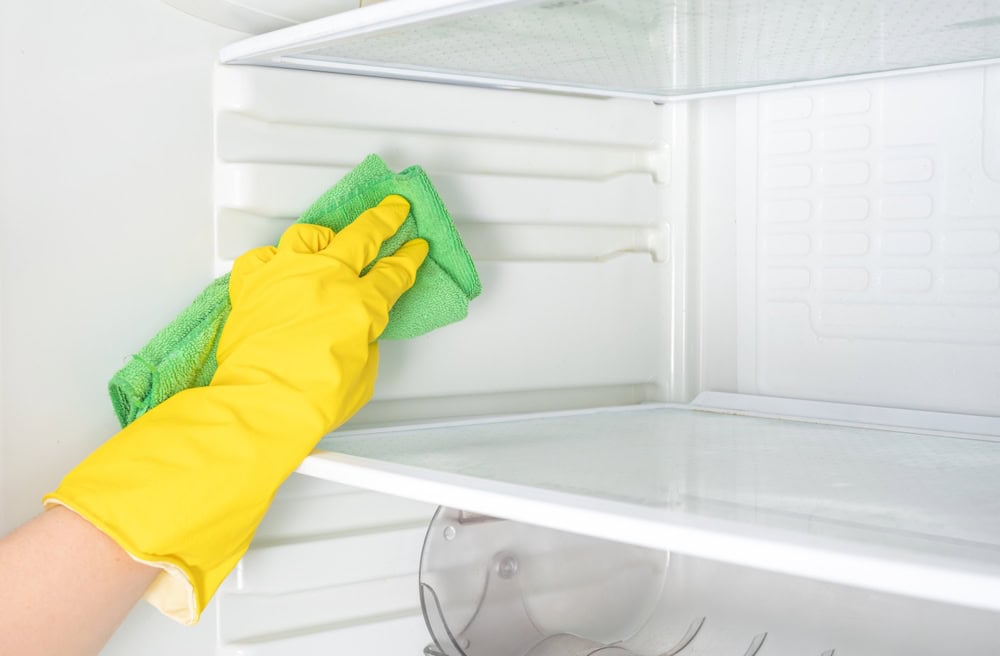
Bathrooms deserve special attention because they’re where moisture, soap scum, and bacteria all converge. A spray bottle filled with vinegar tackles soap scum on shower doors and tiles. For the toilet, sprinkle baking soda inside the bowl, add vinegar, let it fizz and sit for a few minutes, then scrub with a toilet brush. This combination creates a mild chemical reaction that helps break down stains and kill bacteria without the harsh fumes of conventional toilet cleaners.
Kitchen surfaces benefit from the disinfecting properties of vinegar, but if you’re dealing with raw meat or other potential contaminants, you might want something stronger. A solution of hydrogen peroxide and water provides additional antibacterial power while remaining non-toxic. Keep it in an opaque spray bottle since hydrogen peroxide breaks down when exposed to light.
The reality is that most cleaning tasks don’t require specialized chemical formulations. They require the right combination of mechanical action (scrubbing), the right pH level (acidic vinegar for some jobs, alkaline baking soda for others), and a bit of patience to let the solutions work. Nassau County homes have been maintained with these simple ingredients for decades. The only thing that’s changed is that more people are remembering what actually works instead of what’s being marketed to them.
DIY eco-friendly cleaning handles daily maintenance beautifully. Wiping down counters, cleaning bathrooms, mopping floors—these tasks are straightforward with the right natural products and a bit of elbow grease. But there are times when professional sustainable maid services make more sense, and knowing the difference saves you time, frustration, and potentially money.
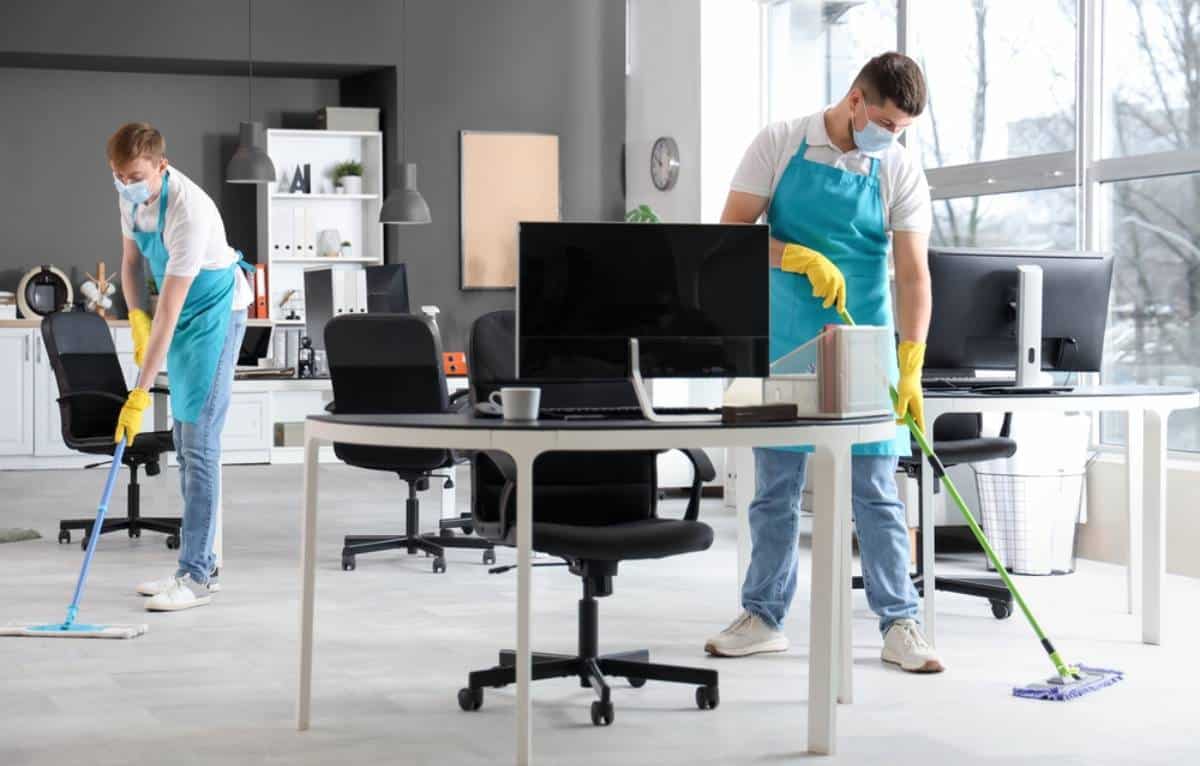
Deep cleaning is where professionals shine. When you’re dealing with months or years of buildup, or when you’re preparing a home for sale, or recovering from a renovation, the scale of work exceeds what most people can reasonably tackle on their own. Professional cleaning teams bring commercial-grade equipment, systematic approaches, and the physical stamina to work through an entire house at a level of thoroughness that’s hard to match on your own.
Time is the other major factor. Nassau County residents know what their time is worth. If you’re earning a good income and spending your weekends scrubbing baseboards instead of being with family, the math starts to favor professional help. A cleaning service that uses eco-friendly products gives you the best of both worlds: a spotless home without chemical exposure, and your weekends back.
Specialized surfaces also warrant professional attention. Natural stone countertops, hardwood floors with specific finishes, delicate tile work—these materials require knowledge about which products and techniques won’t cause damage. Professional cleaners who focus on eco-conscious housekeeping understand these nuances. We know which plant-based products work on which surfaces, and we have the experience to clean effectively without risking harm to expensive finishes.
Indoor air quality concerns might push you toward professional help as well. If someone in your household has severe allergies, asthma, or chemical sensitivities, the thoroughness of professional cleaning combined with truly non-toxic products can make a measurable difference in their daily comfort. HEPA filtration vacuums, microfiber technology, and systematic dust removal go beyond what most homeowners can achieve with DIY methods alone.
The Nassau County cleaning services market offers plenty of options, but not all “green” services are created equal. Look for companies that are transparent about their products and methods. Ask what certifications their cleaning products carry. Find out if they use HEPA filtration in their vacuums. Check whether they’re licensed and insured—basic protections that matter when you’re inviting people into your home.
Flexible scheduling matters too. Your life doesn’t fit a standard template, so your cleaning service shouldn’t either. Whether you need weekly maintenance, bi-weekly visits, monthly deep cleans, or just one-time help for a specific situation, the right service adapts to your needs instead of forcing you into their preferred schedule.
The decision between DIY and professional cleaning isn’t all-or-nothing. Many Nassau County families find a hybrid approach works best: handle daily tidying and light cleaning themselves with simple green products, then bring in professionals for deeper, more thorough work on a regular schedule. This combination keeps homes consistently clean without overwhelming your schedule or your budget, and it ensures that both daily maintenance and periodic deep cleaning are done with products that support rather than compromise your family’s health.
Eco-friendly house cleaning in 2026 isn’t about perfection. It’s about making better choices when you can, understanding what’s in the products you use, and creating a home environment that supports your family’s health instead of undermining it. Start with one room, one product swap, one new habit. Progress compounds.
The Nassau County families making this transition aren’t doing it because it’s trendy. They’re doing it because they’ve seen the difference: fewer headaches, less respiratory irritation, better sleep, and the peace of mind that comes from knowing their kids and pets aren’t being exposed to unnecessary chemicals. The air in their homes feels different. Cleaner. Lighter.
You don’t have to overhaul everything overnight. Mix up that vinegar and water spray bottle. Try baking soda on your next tough cleaning job. Pay attention to how your home feels after cleaning with natural products versus conventional ones. The difference might surprise you.
If you’re ready to go further and want the thoroughness of professional cleaning without the chemical exposure, we bring eco-friendly solutions to Nassau County homes. Licensed, insured, and committed to green cleaning practices that actually work—because your home deserves to be both spotless and safe.
Article details:
Share:
Continue learning: