Most facilities pass a quick glance test. But client-ready? That's a different standard—one that affects employee health, first impressions, and your reputation in ways you might not realize.
Share:

Summary:
Most checklists are just lists. Vacuum this. Wipe that. Empty the trash. They tell you what to do but not why it matters or how to do it right.
A real commercial cleaning checklist is different. It’s a structured process that protects health, preserves your assets, and builds trust with the people who walk through your door. It accounts for high-touch surfaces that spread germs. It prioritizes the areas that affect first impressions. It addresses the things that shorten the life of expensive equipment when they’re ignored.
According to the CDC, regular cleaning and disinfection can reduce the risk of spreading viral illnesses by up to 80%. That’s not about being obsessive. That’s about understanding that door handles, elevator buttons, shared equipment, and restroom fixtures are germ highways—and they need attention every single day.
When you follow a real checklist, you’re not just cleaning. You’re preventing problems before they cost you money.
Daily cleaning sounds obvious until you realize how many facilities skip the things that matter most. They focus on what’s visible and miss what’s critical.
Start with high-touch surfaces. These are the spots people touch dozens of times a day without thinking—door handles, light switches, stair rails, shared phones, copiers, kitchen appliances, restroom fixtures. When these aren’t cleaned daily, germs spread fast. Employees get sick. Clients notice grime they didn’t expect to see in a professional space.
Floors matter more than you think. Not just for appearance, but for safety. Spills that aren’t addressed immediately become slip hazards. Dirt tracked in from outside grinds into carpet fibers and scratches hard surfaces, shortening their lifespan. Vacuuming high-traffic areas daily prevents buildup that turns into expensive replacements down the line.
Restrooms are non-negotiable. Surveys show that up to 80% of customers won’t return to a business with dirty bathrooms. That’s not picky—that’s human nature. A restroom that smells bad or looks neglected sends a message about how you run everything else. Daily restroom sanitation isn’t optional if you want clients to come back.
Trash removal seems simple, but it’s one of the most common failures. Overflowing bins, bad smells, and waste left overnight attract pests and create health hazards. Trash needs to go out daily, and receptacles need to be cleaned regularly, not just emptied.
Then there’s the stuff most people forget. Spot-cleaning spills immediately. Wiping down shared surfaces in break rooms and conference rooms after use. Checking for maintenance issues like leaks or broken fixtures before they become emergencies.
Daily tasks aren’t about being perfect. They’re about preventing the small problems that turn into big, expensive ones when you ignore them long enough.
Daily cleaning keeps things functional. But if that’s all you do, you’re still missing half the picture.
Weekly tasks go deeper. This is where you address the buildup that daily cleaning doesn’t catch. Dusting high surfaces—vents, light fixtures, ceiling fans, top shelves. These collect dust that eventually circulates through your HVAC system, affecting air quality and triggering allergies. About 20 million people have dust mite allergies, so chances are good someone in your building is affected when you skip this.
Mopping all floor areas thoroughly, not just the spots that look dirty. Treating carpet stains before they set. Cleaning interior glass and windows so your space actually looks bright and professional. Disinfecting less obvious surfaces like door jambs, baseboards, and the areas around trash receptacles.
Monthly tasks are where you protect your investment. This is deep carpet cleaning that removes the dirt and allergens hiding in the fibers. Floor care that includes stripping, waxing, or refinishing depending on your surface type. Washing walls and partitions to remove fingerprints, scuffs, and grime that accumulate over time.
These aren’t luxury add-ons. They’re maintenance that extends the life of expensive assets. When you skip monthly deep cleaning, you’re shortening the lifespan of flooring, furniture, and fixtures that cost thousands to replace. You’re letting dirt and grime do permanent damage that could have been prevented.
Most business owners don’t think about this until something breaks or looks so bad it can’t be ignored anymore. By then, you’re paying for replacement instead of maintenance. That’s the expensive way to learn that deep cleaning isn’t optional—it’s an investment that saves you money over time.
And here’s what really matters: consistency. One deep clean doesn’t fix years of neglect. But regular deep cleaning, done on a schedule that makes sense for your facility’s traffic and use, keeps everything in the condition it’s supposed to be in.
Want live answers?
Connect with a One-A Cleaning and Maintenance expert for fast, friendly support.
Client-ready isn’t the same as clean. You can have a space that passes a quick visual check but still fails the test that actually matters.
Client-ready means someone can walk into your facility—a potential customer, a current client, an inspector, a new hire—and immediately feel confident about doing business with you. It means your space communicates professionalism, attention to detail, and respect for the people who use it.
It also means your employees aren’t getting sick from poor air quality or germ-filled surfaces. Studies show that improved cleaning can result in a 2-8% productivity gain in the workplace. That’s not because people work harder in a clean space—it’s because they’re not dealing with allergies, respiratory issues, or illnesses that come from environments that aren’t properly maintained.
Client-ready is a standard, not a feeling.
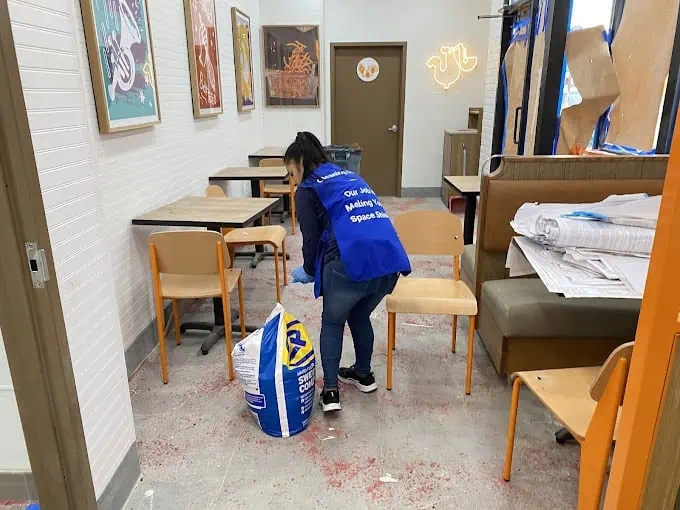
You know first impressions matter. But do you know how fast they happen?
When someone walks through your door, they’re forming an opinion in seconds. Before you say a word. Before they see your product or hear your pitch. They’re noticing whether your floors shine or look dull and scuffed. Whether your lobby smells fresh or stale. Whether the restroom they use is spotless or has soap scum on the sink.
Research shows that 94% of customers are more likely to return to a business if it maintains a clean environment. That’s not about being judgmental—it’s about trust. If you can’t keep your own facility clean, why would they trust you to handle their needs?
This hits property managers especially hard. When you’re managing commercial properties in Nassau County, your tenants expect a certain standard. If common areas look neglected, if restrooms aren’t maintained, if trash piles up, they start questioning whether you value their business. Potential tenants walk through and make decisions based on what they see in those first few minutes.
And here’s the part that stings: most of the time, they don’t tell you. They just don’t come back. They don’t renew the lease. They choose your competitor. You’re left wondering what went wrong, when the answer was right there in the details you overlooked.
First impressions aren’t about perfection. They’re about showing that you care enough to maintain your space properly. That you understand the details matter. That you’re running a professional operation.
The good news? This is fixable. Once you understand what people actually notice—and what gets missed when cleaning isn’t done right—you can address it before it costs you the client you didn’t even know you lost.
Let’s talk about what it actually costs when you try to handle commercial cleaning yourself or rely on whoever’s available.
First, there’s the time cost. Managing an in-house cleaning operation is like running a second business within your business. You need to hire, train, schedule, supervise, and handle payroll. You need to source cleaning supplies, maintain equipment, and ensure compliance with OSHA standards. That’s not a side project—that’s a full operational responsibility that pulls your focus from what you’re actually supposed to be doing.
Then there’s the equipment cost. Professional-grade floor buffers, steam cleaners, electrostatic disinfectant sprayers, and water extractors aren’t cheap. We’re talking thousands of dollars in upfront investment, plus ongoing maintenance and replacement costs. Most businesses don’t realize how expensive proper cleaning equipment is until they start pricing it out.
Employee health is another hidden cost. When your facility isn’t cleaned properly, germs spread. Employees get sick more often. They take more sick days. Productivity drops. According to the CDC, employers lose $225.8 billion annually from worker illness and injury. A significant portion of that is preventable through proper cleaning and sanitation.
Then there’s the asset depreciation you don’t see coming. When carpets aren’t cleaned regularly, dirt grinds into the fibers and ruins them faster. When hard floors aren’t maintained properly, they get scratched, stained, and damaged. When furniture and equipment collect dust and grime, they wear out sooner than they should. You end up replacing things years earlier than necessary because you skipped the maintenance that would have protected your investment.
And finally, there’s the opportunity cost. Every hour you or your employees spend cleaning is an hour not spent on revenue-generating activities. Professional cleaners work faster and more efficiently because it’s what they do all day, every day. They know the techniques, have the right tools, and can get better results in less time.
When you add it all up—time, equipment, employee health, asset depreciation, and opportunity cost—professional commercial cleaning isn’t an expense. It’s an investment that saves you money and protects everything you’ve built.
For Nassau County businesses, this matters even more. The commercial real estate market here is competitive. Standards are high. Clients have options. When your facility isn’t maintained properly, you’re not just losing money on the back end—you’re losing opportunities on the front end because potential clients are choosing someone else.
Here’s the test: Walk through your facility like you’ve never seen it before. Look at it the way a potential client would. Check the floors, the restrooms, the high-touch surfaces. Notice the details you usually miss because you see them every day.
If you’re honest, you’ll probably spot things that need attention. That’s not a failure—that’s awareness. The question is what you do about it.
Client-ready isn’t about doing everything yourself. It’s about having a system that works, a checklist that covers what actually matters, and the right people handling it so you can focus on running your business.
We work with business owners and property managers throughout Nassau County, NY who need facilities that are genuinely client-ready. Not just clean enough. Not just passing a quick glance. Actually maintained to the standard that protects your investment and makes the right impression every single time.
Article details:
Share:
Continue learning: