Learn how tailored daily, weekly, and monthly cleaning schedules can significantly reduce your operational costs while extending equipment lifespan.
Share:

Summary:
Generic cleaning packages treat every business the same way. Your accounting firm gets the same daily service as the busy medical office next door, regardless of actual foot traffic or contamination risk. That’s expensive and inefficient.
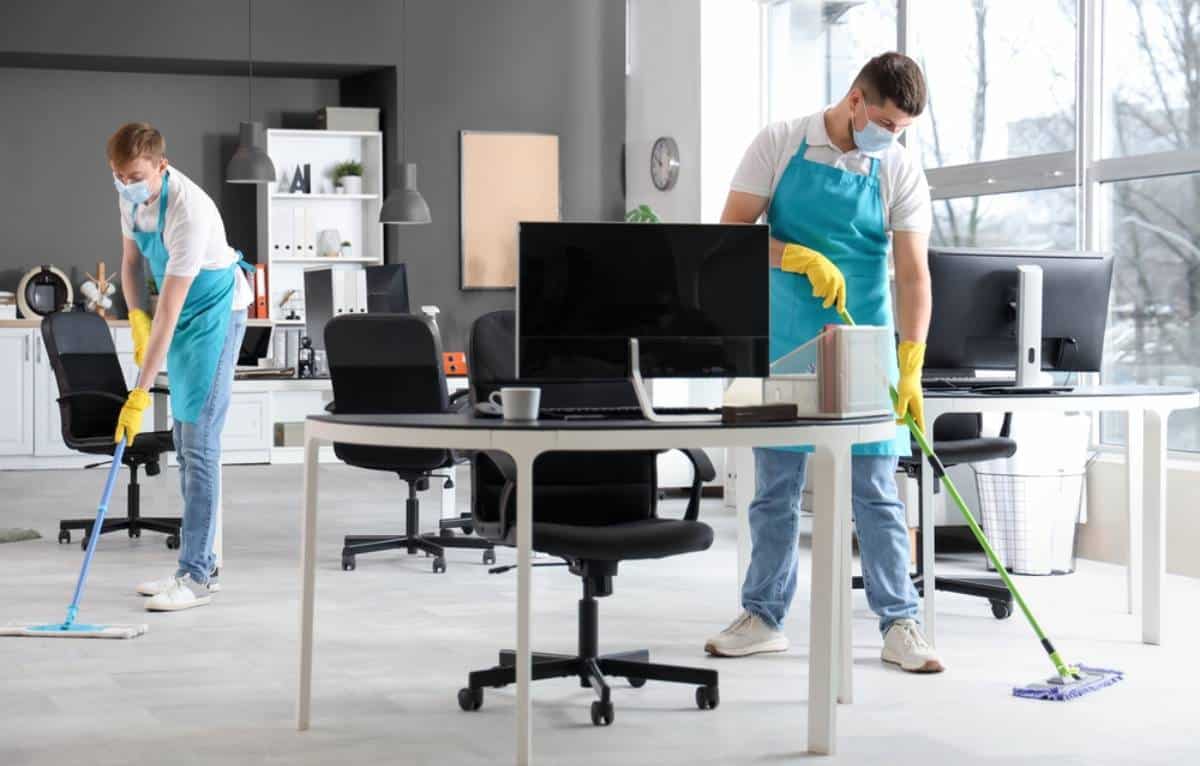
Custom commercial cleaning plans work differently. We analyze your specific space, traffic patterns, and operational needs to create a schedule that matches reality. High-traffic areas get more attention. Low-use spaces get less frequent but thorough service.
The result? You stop paying for unnecessary daily cleaning in storage areas while ensuring your lobby stays pristine during client visits. This targeted approach typically reduces overall cleaning costs by 15-30% while improving results in the areas that matter most.
Here’s where most businesses hemorrhage money: emergency cleaning calls that require overtime rates. Your regular crew finishes their shift, then you discover a spill in the conference room or restrooms that need immediate attention before tomorrow’s big meeting. Suddenly you’re paying time-and-a-half for what should have been routine maintenance.
Proper task allocation prevents these expensive surprises. Daily tasks focus on high-impact, high-visibility areas that can’t wait. This includes emptying trash, cleaning restrooms, and maintaining lobbies and reception areas. These are the spaces that create immediate problems if neglected.
Weekly tasks handle deeper cleaning that prevents buildup but doesn’t require daily attention. Think carpet vacuuming in low-traffic areas, detailed kitchen cleaning, and window washing. Monthly tasks tackle the big-picture items like deep sanitization, equipment maintenance, and areas that accumulate problems slowly but surely.
This systematic approach means issues get caught and handled during regular hours at standard rates. No more emergency calls. No more overtime premiums. No more scrambling to make your space presentable for unexpected visitors.
The scheduling also allows our cleaning teams to work more efficiently. Instead of trying to do everything every day, they can focus on specific tasks and do them thoroughly. This improves quality while reducing the time needed for each visit.
Here’s where most businesses hemorrhage money: emergency cleaning calls that require overtime rates. Your regular crew finishes their shift, then you discover a spill in the conference room or restrooms that need immediate attention before tomorrow’s big meeting. Suddenly you’re paying time-and-a-half for what should have been routine maintenance.
Proper task allocation prevents these expensive surprises. Daily tasks focus on high-impact, high-visibility areas that can’t wait. This includes emptying trash, cleaning restrooms, and maintaining lobbies and reception areas. These are the spaces that create immediate problems if neglected.
Weekly tasks handle deeper cleaning that prevents buildup but doesn’t require daily attention. Think carpet vacuuming in low-traffic areas, detailed kitchen cleaning, and window washing. Monthly tasks tackle the big-picture items like deep sanitization, equipment maintenance, and areas that accumulate problems slowly but surely.
This systematic approach means issues get caught and handled during regular hours at standard rates. No more emergency calls. No more overtime premiums. No more scrambling to make your space presentable for unexpected visitors.
The scheduling also allows our cleaning teams to work more efficiently. Instead of trying to do everything every day, they can focus on specific tasks and do them thoroughly. This improves quality while reducing the time needed for each visit.
Want live answers?
Connect with a One-A Cleaning and Maintenance expert for fast, friendly support.
Your office furniture, carpets, and equipment represent significant investments. Poor maintenance shortens their lifespan and forces premature replacement. Strategic cleaning maintenance extends asset life and protects your investment.
Regular preventive cleaning catches problems early. Stains get treated before they set permanently. Carpet fibers stay protected from grinding dirt. Wood furniture maintains its finish. HVAC systems run efficiently without dust buildup.
This isn’t just about appearance. It’s about preserving value and avoiding replacement costs that can devastate your budget.
Your office equipment works harder when it’s dirty. Computers overheat from dust buildup. Printers jam from debris. HVAC systems strain against clogged filters. This extra stress shortens equipment life and increases repair costs.
Preventive cleaning maintenance addresses these issues systematically. Weekly computer cleaning prevents overheating. Monthly printer maintenance prevents jams and extends component life. Quarterly HVAC attention keeps systems running efficiently and extends their operational lifespan.
The numbers are compelling. Regular maintenance can extend computer life by 2-3 years. Clean printers last 40% longer than neglected ones. Well-maintained HVAC systems operate efficiently for decades rather than requiring replacement every 10-12 years.
Consider the cost difference. A desktop computer might cost $800 to replace. Professional cleaning and maintenance costs perhaps $20 monthly. Extending its life by just two years saves $560 net after cleaning costs. Multiply this across all your equipment and the savings become substantial.
The same principle applies to furniture and fixtures. Regular cleaning and conditioning keeps leather furniture supple and prevents cracking. Wood surfaces maintain their finish and resist water damage. Carpet cleaning removes abrasive dirt that cuts fibers and causes premature wear.
These aren’t luxury services. They’re investments that pay for themselves through extended asset life and reduced replacement costs. The key is consistency. Sporadic deep cleaning can’t compensate for months of neglect. Regular preventive maintenance preserves your assets and protects your investment.
First impressions matter in business. Worn carpets, stained furniture, and dingy surfaces send the wrong message to clients and employees. Professional appearance requires consistent care, not just periodic deep cleaning when things look obviously dirty.
Carpet maintenance follows a specific schedule for maximum life extension. Daily vacuuming in high-traffic areas removes surface dirt before it gets ground into fibers. Weekly attention to moderate-traffic zones prevents buildup. Monthly deep cleaning tackles embedded soil and refreshes appearance.
This systematic approach can double carpet life. Commercial carpets typically last 5-7 years with basic care. Proper maintenance extends this to 10-12 years. For a 5,000 square foot office, this represents savings of $15,000-25,000 in replacement costs.
Furniture care follows similar principles. Leather needs regular conditioning to prevent cracking and fading. Fabric upholstery requires prompt attention to spills and periodic deep cleaning. Wood surfaces need appropriate products that clean without damaging finishes.
The investment in proper care pays dividends in professional appearance and extended asset life. Your office maintains its polished look longer, impressing clients and creating a positive work environment. Meanwhile, you avoid the major expense of premature furniture replacement.
Regular maintenance also prevents small problems from becoming big ones. A minor stain addressed immediately might cost $20 to clean. The same stain left untreated could require furniture reupholstering at $500-1,000 per piece. Prompt attention saves money and preserves appearance.
This approach requires partnership with cleaning professionals who understand materials and proper care techniques. Not all cleaning methods work for all surfaces. Expertise matters when you’re protecting valuable assets and maintaining professional standards.
Your cleaning schedule should be a strategic business tool, not just a necessary expense. Custom commercial cleaning plans reduce costs through targeted service, prevent overtime emergencies through systematic maintenance, and extend asset life through preventive care.
The right approach treats different areas according to their actual needs rather than applying generic solutions everywhere. High-traffic zones get appropriate attention while low-use areas receive efficient maintenance. Equipment gets preventive care that extends its operational life and preserves your investment.
This isn’t about spending more on cleaning. It’s about spending smarter. When you work with us at One A Cleaning and Maintenance, you get a partner who understands Nassau County businesses and designs schedules that match your specific operational needs and budget requirements.
Article details:
Share:
Continue learning: