Not all carpet cleaning methods deliver the same results. Learn the real differences between professional hot water extraction and DIY approaches, what actually removes deep stains and allergens, and when each method makes sense for your Nassau County home.
Share:

Summary:
Your carpets take a beating. Kids, pets, foot traffic, spills—it all adds up faster than you’d think. You vacuum regularly, maybe even spot-clean when something happens, but eventually you notice the carpets just don’t look right anymore. That’s when the question hits: do you rent a machine and do it yourself, or call in professionals?
The answer isn’t always obvious, and the stakes are higher than you might realize. Choose wrong and you could end up with carpets that stay wet for days, stains that come back worse than before, or damage that shortens the life of your flooring. Choose right and you get carpets that look better, last longer, and create a healthier space for your family.
Let’s break down what actually works, what doesn’t, and how to make the right call for your situation.
Professional carpet cleaning isn’t one-size-fits-all. The method matters, and so does the equipment behind it.
Most reputable companies use hot water extraction—what people usually call steam cleaning. This involves spraying hot water mixed with cleaning solution deep into carpet fibers under high pressure, then extracting it along with dirt, allergens, and bacteria. The process reaches down to the carpet backing and padding, pulling out what vacuums and surface cleaners miss.
The difference between professional and consumer-grade equipment is substantial. Truck-mounted systems generate water temperatures between 160-230°F and provide extraction power that portable units simply can’t match. That combination of heat and suction is what actually lifts embedded grime and removes it from your home instead of just pushing it around.
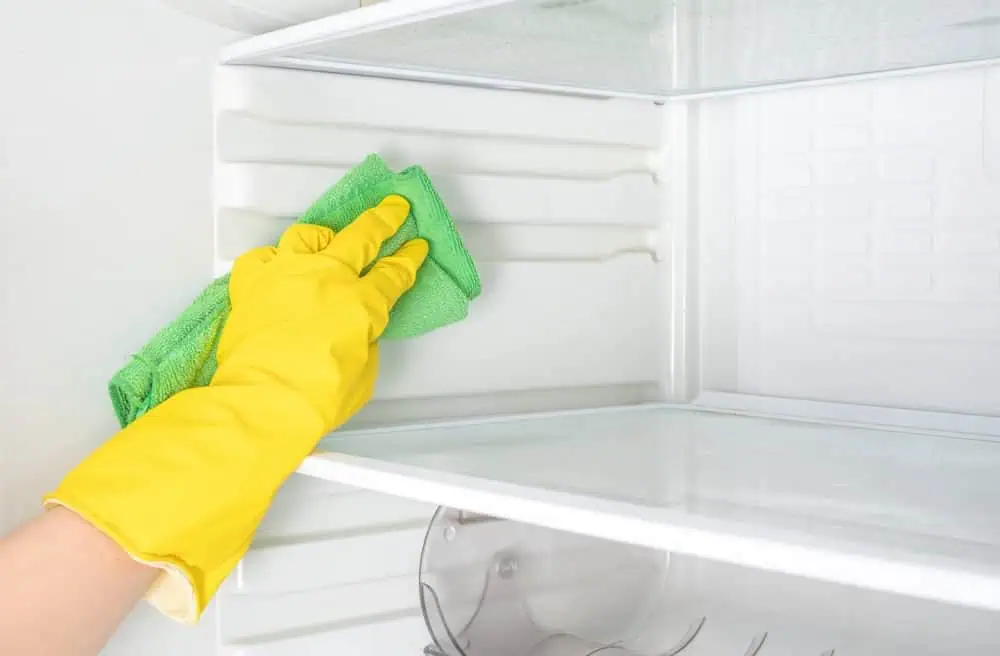
Hot water extraction starts with a thorough assessment of your carpet type, fiber sensitivity, and soiling level. We inspect for stains, high-traffic wear, and any areas that need special attention before we ever turn on a machine.
Pre-treatment comes next. Stubborn spots get targeted with specific solutions designed to break down whatever’s causing the stain—whether that’s pet urine, wine, grease, or ground-in dirt from Nassau County’s seasonal salt and moisture. This step makes a significant difference in the final result because it gives the cleaning solution time to work before extraction begins.
Then comes the actual cleaning. The machine injects heated water and cleaning solution deep into the carpet fibers using controlled pressure. Almost immediately, powerful suction pulls that water back out, along with everything it loosened. The process is methodical—overlapping passes ensure complete coverage, and we adjust pressure and solution strength based on what your specific carpet needs.
What sets professional hot water extraction apart is the extraction itself. Industrial equipment removes far more water than rental machines, which means faster drying times and less risk of mold or mildew. Most professionally cleaned carpets dry within 6 to 12 hours when proper airflow is maintained. Rental machines often leave carpets soaking wet for 24 hours or longer, creating the perfect environment for problems you definitely don’t want.
The final steps include grooming the carpet to reset the pile and positioning air movers if needed to speed drying. We include a post-cleaning inspection to make sure nothing was missed and address any concerns before we leave.
This systematic approach is why professional cleaning consistently removes 90 to 97 percent of dirt and bacteria from carpeting, according to industry standards. It’s not magic—it’s just better equipment, proper technique, and experience knowing how different carpets respond to treatment.
Hot water extraction isn’t the only method professionals use, though it’s the most common for residential carpet cleaning in Nassau County. Some situations call for different approaches.
Dry cleaning methods use minimal moisture and rely on specialized compounds or powders that attract and absorb dirt. A machine works the compound into the carpet fibers, where it crystallizes around soil particles. After a short dwell time, everything gets vacuumed away. This method appeals to commercial settings where downtime needs to be minimal—carpets are dry and ready for foot traffic within an hour or two.
The trade-off is cleaning depth. Dry methods work well for maintenance and surface-level dirt, but they don’t penetrate as deeply as hot water extraction. If your carpets haven’t been cleaned in years or you’re dealing with significant staining, dry cleaning probably won’t cut it.
Encapsulation is another low-moisture option gaining popularity. It uses a polymer-based solution that surrounds dirt particles as it dries, forming crystals that release from the carpet fibers. Once dry, a standard vacuuming removes the encapsulated soil. Drying time is fast—usually just an hour—and the method is effective for routine maintenance between deeper cleanings.
Bonnet cleaning involves a rotary machine with absorbent pads that scrub cleaning solution into the carpet surface. It’s quick and works reasonably well for commercial spaces that need frequent touch-ups, but it’s essentially a surface clean. Dirt deep in the padding stays there, and over time, carpets cleaned only with bonnet methods tend to show traffic patterns more quickly.
For delicate materials like wool, silk, or antique rugs, we use gentler techniques with lower water temperatures and specialized solutions. These fibers can shrink, bleed color, or become damaged if treated with standard methods, so the approach has to match the material.
In Nassau County homes, hot water extraction remains the go-to for most situations. It delivers the deepest clean, addresses allergens effectively, and works on the widest range of carpet types. The other methods have their place, but when you need real results, extraction is still the standard.
Want live answers?
Connect with a One-A Cleaning and Maintenance expert for fast, friendly support.
Renting a carpet cleaner feels like a smart move. You save money, work on your own schedule, and avoid having strangers in your home. The machines are available at most hardware stores and supermarkets, the rental cost seems reasonable, and the marketing promises professional-level results.
The reality doesn’t quite match up. Consumer-grade rental machines use the same basic principle as professional equipment—spray water and solution, then vacuum it back up—but the execution falls short in ways that matter.
Power is the first issue. Rental units run on standard household electricity and can’t generate the same heat or suction as truck-mounted systems. Water temperatures max out around what comes from your tap, which means less effective dirt breakdown. Suction is weaker, so more water stays in your carpet after cleaning. That extra moisture extends drying time significantly and creates conditions where mold and mildew can thrive.
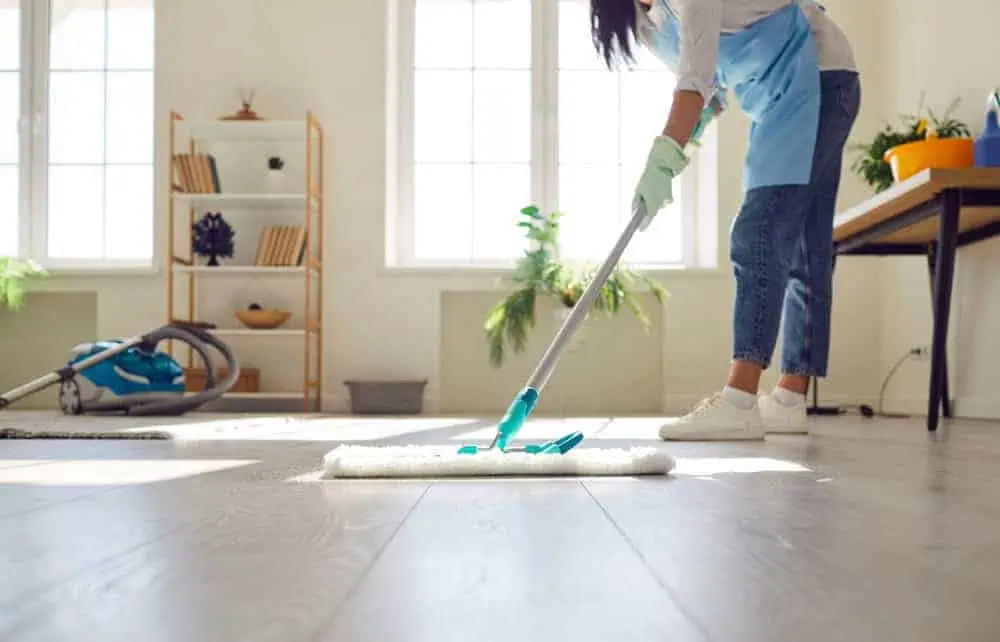
The rental fee is just the starting point. Most machines rent for $30 to $50 per day, and you’ll need cleaning solution on top of that—another $10 to $25 depending on how much carpet you’re tackling. If the job takes longer than expected or you need a second day to finish, those costs double.
Then there’s your time. You have to pick up the machine, haul it home, move furniture, do the actual cleaning, return the equipment, and wait for everything to dry. For most people, that’s a full day or more of work. If you value your time at all, the “savings” start to evaporate quickly.
The physical effort is real, too. These machines are heavy and awkward to maneuver. You’re pushing and pulling a wet, bulky unit across your floors for however long it takes to cover every room. Your back, shoulders, and arms will feel it the next day. And if you have stairs? Good luck getting thorough coverage without risking injury or equipment damage.
Mistakes happen more often with DIY cleaning because most people don’t know what they don’t know. Over-wetting is common—too much solution or not enough extraction passes leave carpets soaked. That can lead to mold growth, odors, or even damage to the carpet backing and subfloor. Using the wrong cleaning solution or too much of it creates sticky residue that actually attracts dirt, making your carpets look worse faster.
Stain reappearance is another frustration. When stains seem to come back days after cleaning, it’s usually because the stain wasn’t fully removed—just pushed deeper into the padding. As the carpet dries, wicking pulls that stain back up to the surface. Professional extraction prevents this by removing the source, not just the visible part.
The biggest hidden cost might be shortened carpet life. Improper cleaning techniques—whether it’s over-wetting, using harsh chemicals, or scrubbing too aggressively—can damage carpet fibers, cause colors to fade, or break down the backing. Quality carpet is expensive to replace, and cutting its lifespan short because of a DIY cleaning attempt is an expensive mistake.
DIY isn’t always the wrong choice. For small, fresh spills, a rental machine or even a good spot cleaner can handle the job without much fuss. If you spill something on a Saturday afternoon and want to address it immediately, grabbing a portable cleaner beats waiting for an appointment.
Light maintenance between professional cleanings is another reasonable use case. If your carpets are generally in good shape and you just want to freshen up high-traffic areas, a rental machine can extend the time between deep cleans. Just keep expectations realistic—you’re doing maintenance, not restoration.
Budget constraints matter, too. If money is genuinely tight and your carpets need attention, doing it yourself is better than doing nothing. Just be aware of the limitations and take extra care with technique. Go slow, make multiple dry passes to extract as much water as possible, and use fans to speed drying.
For homeowners who already own a decent carpet cleaner and use it regularly, the equation changes. If you’ve invested in a quality machine, learned proper technique, and stay on top of maintenance, you can get acceptable results. It still won’t match professional equipment, but it’s a different calculation than renting a machine once a year.
The key is knowing when you’re out of your depth. If you’re dealing with old stains, significant soiling, pet odor that won’t quit, or water damage, professionals have the tools and expertise to actually solve the problem. Attempting those situations yourself often makes things worse and costs more in the long run when you eventually have to call for help anyway.
In Nassau County, where humidity can be an issue and mold grows quickly in damp conditions, the drying time difference between DIY and professional cleaning becomes even more important. Leaving carpets wet for 24 to 48 hours isn’t just inconvenient—it’s a health risk.
Cost matters, but it’s not the whole story. Professional carpet cleaning for an average Nassau County home runs between $150 and $300, depending on square footage, carpet condition, and any add-on services like stain treatment or deodorizing. Most companies charge either by the room ($25 to $75 each) or by square footage ($0.25 to $0.50 per square foot).
DIY costs look cheaper on paper—$30 to $75 for a rental and supplies. But that number doesn’t account for your time, the physical work, or the risk of needing to redo it or call professionals afterward to fix problems.
The real comparison is results per dollar spent. Professional cleaning removes significantly more dirt, bacteria, and allergens. Studies show professional methods eliminate 90 to 95 percent of contaminants, while DIY typically achieves 60 to 70 percent removal. That difference shows up in how your carpets look, how long they stay clean, and how they impact indoor air quality.
Article details:
Share:
Continue learning: