Spring allergies hitting hard in Nassau County? Discover professional cleaning strategies that actually work to keep pollen out and help you breathe easier at home.
Share:

Summary:
Timing isn’t just everything—it’s the difference between spinning your wheels and actually getting ahead of your allergies. In Nassau County, NY, tree pollen peaks hit hard in April, grass pollen dominates June, and ragweed takes over in September. The smart move? Schedule your deep cleaning services 2-3 weeks before each peak hits.
This isn’t about cleaning harder; it’s about cleaning smarter. When you tackle allergen buildup before pollen counts spike, you’re creating a baseline that’s actually manageable throughout the season.
Think of pre-season deep cleaning like weatherproofing your house before a storm. You want every surface, every hidden corner, and every fabric in your home starting from zero allergens. This means going beyond your regular cleaning routine to target the spots where pollen loves to hide and multiply.
We focus on areas most people miss during regular cleaning. Baseboards collect pollen that gets tracked in on shoes and clothing. Ceiling fans circulate allergens throughout your home every time you turn them on. Window sills and frames become pollen magnets, especially if you’ve had windows open during early spring days.
The bedroom deserves special attention during pre-season cleaning since you spend about eight hours there every night. Dust mites and pollen particles that settle into mattresses and pillows can trigger symptoms all night long. Professional-grade cleaning tackles these hidden allergens with techniques and equipment that go far beyond what most homeowners can achieve on their own.
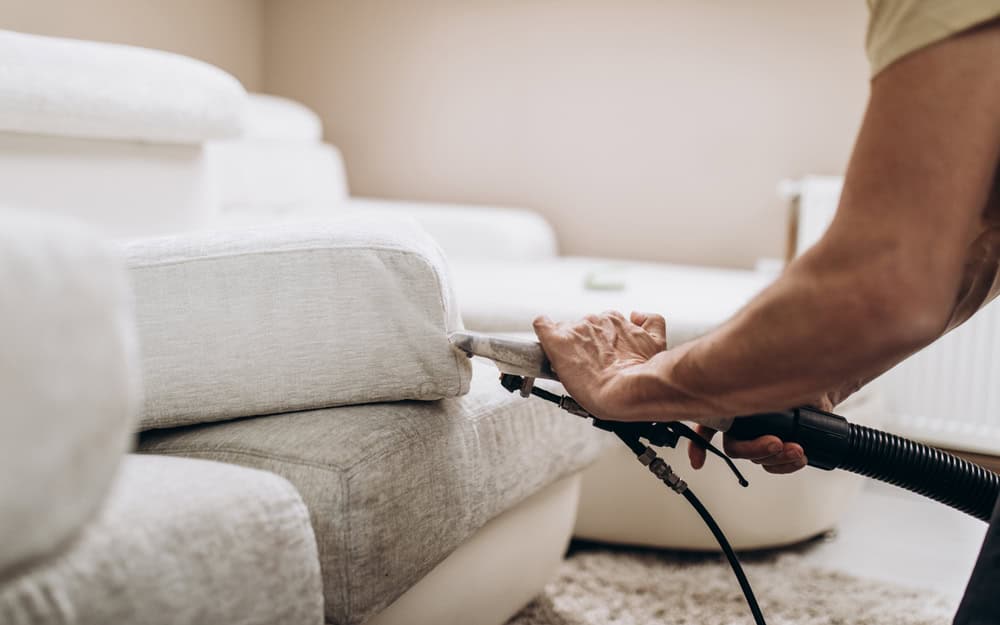
Upholstered furniture, curtains, and carpeting act like pollen reservoirs throughout allergy season. A thorough pre-season cleaning removes the accumulated allergens from previous seasons while preparing these surfaces to be more easily maintained during peak pollen periods. This foundation makes your ongoing allergy management efforts actually effective instead of just moving allergens around.
Once pollen season hits full swing in Nassau County, NY, your cleaning strategy shifts from deep preparation to consistent maintenance. Daily pollen counts can fluctuate dramatically based on weather conditions, wind patterns, and temperature changes. Your cleaning routine needs to adapt accordingly.
High pollen days require immediate response cleaning. This means wiping down surfaces that collect airborne particles, focusing on entryways where pollen gets tracked inside, and managing the areas where your family spends the most time. The goal isn’t perfection—it’s preventing accumulation that turns manageable exposure into overwhelming allergen loads.
Our cleaning services during peak season focus on the most critical areas while working around your family’s daily routine. Kitchens and bathrooms need attention because humidity can make pollen particles stick to surfaces longer. Living areas where air circulation is highest need frequent dust removal to prevent particles from settling into furniture and carpeting.
The key difference between effective peak season cleaning and busy work lies in understanding how pollen behaves in your specific home environment. Factors like your home’s layout, ventilation system, and even the types of flooring you have all influence where allergens accumulate and how quickly they build up. We understand these patterns and adjust our approach accordingly, making your maintenance efforts more targeted and effective.
Want live answers?
Connect with a One-A Cleaning and Maintenance expert for fast, friendly support.
HEPA filtration isn’t just a buzzword—it’s your most powerful weapon against indoor allergens. True HEPA filters capture 99.97% of particles that are 0.3 microns or larger, which includes all the pollen varieties that make Nassau County, NY residents miserable during allergy season. But here’s what most people get wrong: it’s not just about having HEPA filters, it’s about using them strategically.
The most effective approach combines HEPA filtration with professional cleaning services that know how to maximize air quality improvements throughout your entire home.
Where you place HEPA air purifiers matters more than how many you have. The bedroom should be your first priority since allergen exposure during sleep can trigger symptoms that last all day. A properly sized HEPA unit in your bedroom, running continuously during allergy season, creates a clean air sanctuary where your body can actually recover from daily pollen exposure.
Living areas with high traffic and air circulation need HEPA filtration that can handle constant particle disturbance. Every time someone walks across carpeting, sits on upholstered furniture, or even moves curtains, settled allergens become airborne again. A central HEPA system or strategically placed room units can capture these particles before they resettle or get inhaled.
We can assess your home’s specific air circulation patterns and recommend optimal HEPA placement. Factors like ceiling height, room layout, and existing HVAC systems all influence how effectively air purifiers can clean your indoor environment. What works in one Nassau County home might not work in another, even if they’re similar in size and layout.
The entryway deserves special consideration for HEPA filtration since it’s where outdoor pollen first enters your home. A smaller HEPA unit near your main entrance can capture airborne particles before they spread throughout your living space. This creates a buffer zone that significantly reduces the allergen load your whole-house systems need to handle.
Your bedroom can either be your allergy sanctuary or your worst nightmare, depending on how you manage it during Nassau County’s intense pollen seasons. Most people focus on air quality and forget that bedding, mattresses, and bedroom surfaces collect and concentrate allergens in ways that can trigger symptoms all night long.
Weekly hot water washing at 130°F or higher kills dust mites and removes pollen that settles into sheets, pillowcases, and blankets. But here’s the detail that makes the difference: timing your laundry routine around pollen forecasts. When pollen counts spike, increase washing frequency to every 3-4 days to prevent buildup that hot water alone can’t handle.
Mattress and pillow encasements create a barrier between you and the allergens that accumulate in bedding materials over time. These aren’t just dust mite covers—they’re comprehensive allergen barriers that prevent pollen particles from embedding deep into materials where they’re nearly impossible to remove. We can recommend and install encasement systems that actually work long-term.
Bedroom surfaces need daily attention during peak allergy season, but not the kind of dusting that just moves particles around. Damp microfiber cloths trap allergens instead of dispersing them into the air. Window sills, nightstands, and dressers should be wiped down with slightly damp cloths that capture particles rather than feather dusters that send them airborne again.
Our bedroom allergen management goes beyond surface cleaning to address the root causes of allergen accumulation. This includes carpet treatment, upholstery cleaning, and ventilation assessment that creates a bedroom environment where allergens can’t establish themselves in the first place.
Managing indoor allergens during Nassau County’s challenging pollen seasons isn’t about perfect cleaning—it’s about smart, strategic approaches that actually work with your lifestyle. The combination of properly timed deep cleaning, HEPA filtration, and targeted maintenance creates an environment where you can breathe easier and sleep better, even when pollen counts soar outside.
The most successful allergy management strategies recognize that every home is different, every family’s needs are unique, and every allergy season brings its own challenges. We understand Nassau County’s specific allergen patterns and can help you develop and maintain a system that works for your situation.
When you’re ready to take control of your indoor air quality and create the allergy relief you need, One A Cleaning and Maintenance offers the expertise and proven strategies that make a real difference during Nassau County’s toughest allergy seasons.
Article details:
Share:
Continue learning: